


Catholic sisters sue for exemption to LGBTQ+ rights law in NY nursing homes
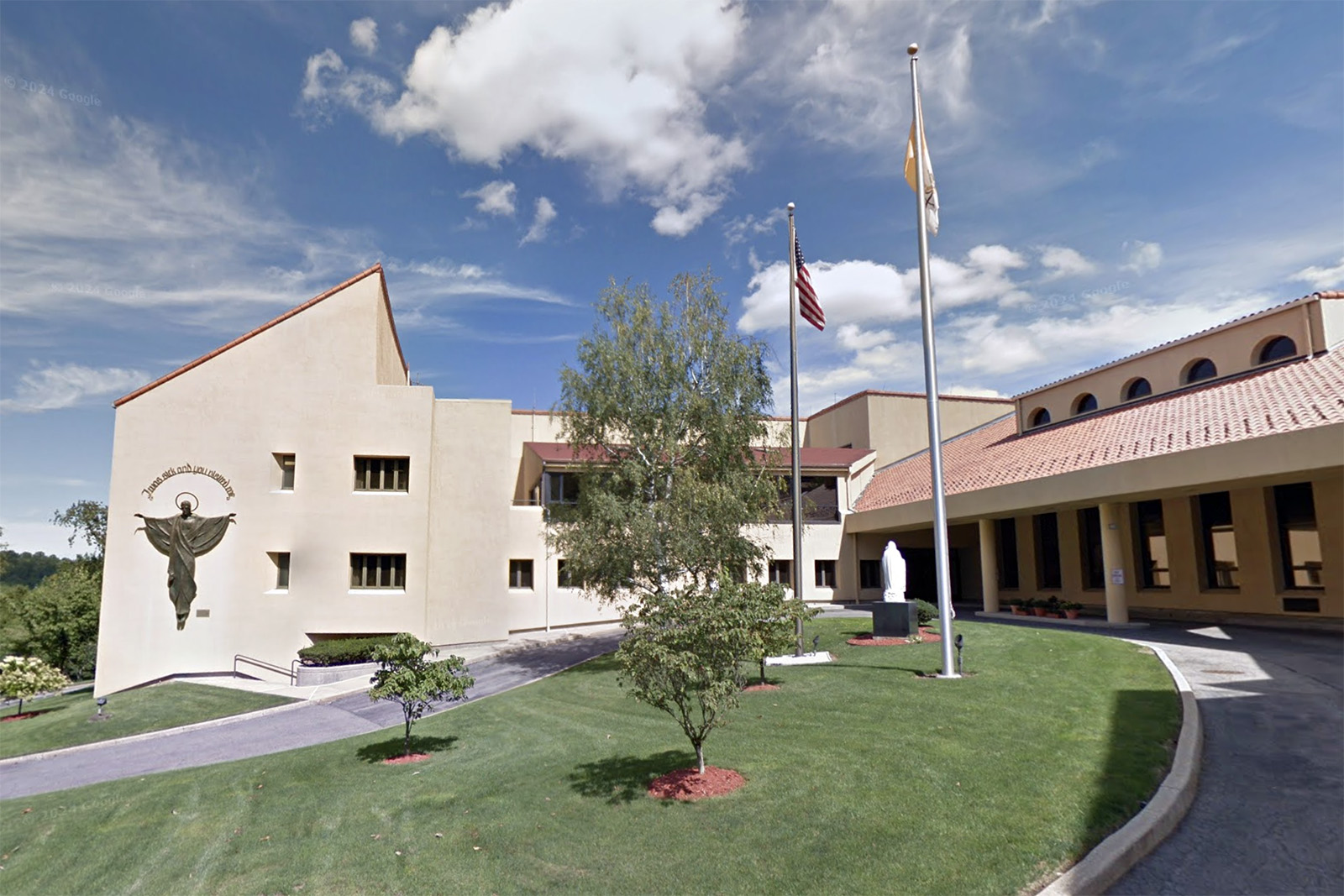


(RNS) — A community of Catholic sisters who provide skilled nursing care for poor, terminally ill cancer patients is suing New York state health leaders in federal court, seeking a religious exemption from the state’s law protecting the rights of LGBTQ+ long-term care facility residents.
The Dominican Sisters of Hawthorne argued in the lawsuit, filed Monday (April 6) in the U.S. District Court for the Southern District of New York, that they and their lay employees could face fines, potential loss of licensing and jail time if they don’t comply with a law mandating that they care for transgender patients according to their gender identities. The New York law also mandates that health care workers refrain from restricting patients from consensual sexual relationships and complete cultural competency training for caring for “patients with diverse sexual orientations and gender identities or expressions,” which the sisters argue go against their religious values.
Since 1901, right after Sister Rose Hawthorne Lathrop, the daughter of “The Scarlet Letter” novelist Nathaniel Hawthorne, founded the Dominican Sisters of Hawthorne, the order has operated Rosary Hill Home, a licensed skilled nursing facility, according to its website, in Westchester County. Currently, the palliative care facility has 42 beds, according to the legal complaint.
Mother Marie Edward, general superior of the Hawthorne Dominicans, said in a press release, “We Sisters have taken care of patients from all walks of life, ideologies, and faiths. We treat each patient with dignity and Christian charity. We have never had complaints. We cannot implement New York’s mandate without violating our Catholic faith.”
In their legal filing, the sisters said they take “tender” care of their patients through “painting women’s fingernails, combing their hair, changing them into fresh nightgowns, and arranging flowers in their rooms.”
The sisters filed suit against the health officials and New York Gov. Kathy Hochul about one month after they wrote to health authorities on March 5 requesting an exemption to the law, and they said they did not receive a response. The sisters said they received three letters between March 2024 and January 2025 from New York health authorities reminding nursing home administrators of the law’s requirements, including completing the training.

(Photo by Kampus Production/Pexels/Creative Commons)
“While the Department does not comment on pending or ongoing litigation, the NYS Department of Health is committed to following state law, which provides nursing home residents certain rights protecting against discrimination including, but not limited to, gender identity or expression,” said Cadence Acquaviva, a spokesperson for the New York State Department of Health, in an email to RNS.
New York state public health laws do not apply to facilities where religious adherents provide services according to their belief in “reliance on spiritual means through prayer alone for healing,” according to the complaint. The sisters are arguing that Christian Scientists receive exemptions from the law, while Catholics in their field are denied exemptions.
Due to that exemption, the sisters argue that the New York LGBTQ+ rights law violates the 14th Amendment’s equal protection clause. They also argue that the law violates several elements of the First Amendment, including their right to free speech and free exercise of religion.
Religious sisters have played a major role in previous high-profile religious liberty cases, including in The Little Sisters of the Poor Saints Peter and Paul Home v. Pennsylvania, in which the Supreme Court in 2020 ruled in favor of the sisters who did not want to be required to provide contraception coverage. Another was the Diocese of Albany v. Harris, a case that went to the Supreme Court twice that included Anglican nuns in a coalition seeking religious exemptions from New York requirements that health insurance plans cover abortions.
In both of those cases, where sisters ultimately claimed victory, the high-profile legal firm Becket Fund for Religious Liberty was part of the legal team. The Dominican Sisters of Hawthorne are suing through their membership in the Catholic Benefits Association and are represented by the First & Fourteenth law firm, which has had success in less high-profile cases.