Photo slideshow: Jewish youth celebrate New Year of the Trees
Originally, Tu B’Shevat—Hebrew for the 15th day of the Hebrew month of Shevat was designated as the time when tree owners would offer tithes from the fruit trees of Israel. Its earliest source refers to it as the New Year of the Trees.
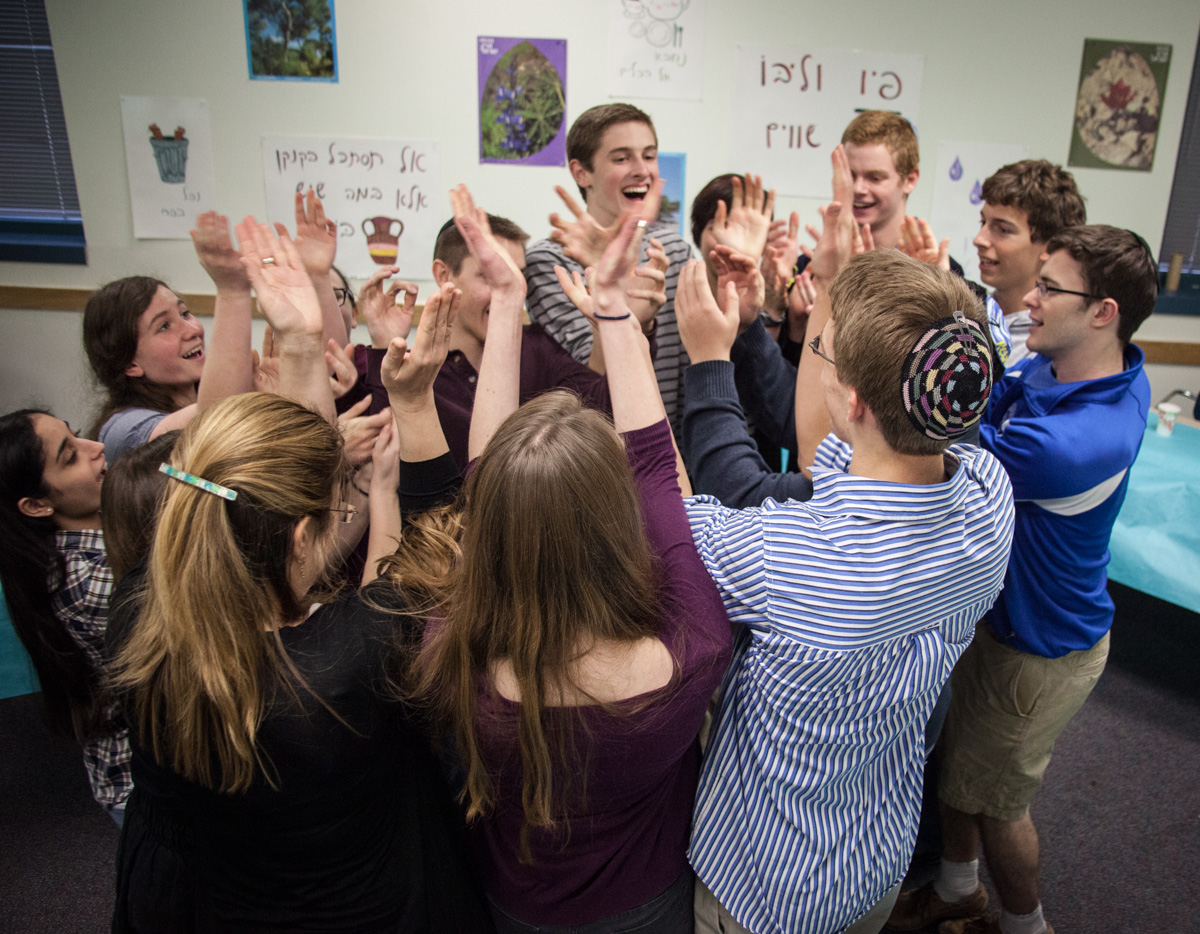
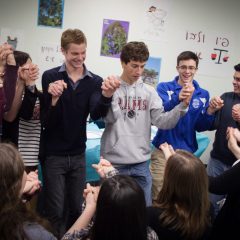
Juniors and seniors dance in a circle after a Seder to study and celebrate Tu B'Shvat during a Hebrew class at Hyman Brand Hebrew Academy in Overland Park, Kan., on Wednesday (Jan. 15, 2014). RNS photo by Sally Morrow
Originally, Tu B’shvat — Hebrew for the 15th day of the Hebrew month of Shevat — was designated as the time when tree owners would offer tithes from the fruit trees of Israel. Its earliest source refers to it as the New Year of the Trees.
Later mystics attributed spiritual significance to this phrase, and a special ceremony modeled after the Passover Seder evolved. Traditionally, the Tu B’shvat seder includes the seven biblical species that are connected with the land of Israel, and, like the Passover Seder, it is structured around four cups of wine. Each section deals with four different types of worlds exemplified by the seven species. There is the world of action, the world of formation, the world of creation, and the world of transcendence.
More recently, the Seders have included a particular sensitivity to the environment, and Tu B’shvat has often been referred to as an eco-Zionist holiday.
Introduction written for Religion News Service by Rabbi Avi Weinstein, Hyman Brand Hebrew Academy, Overland Park, Kan.
Click on any photo below to view slideshow. Religion News Service photos by Sally Morrow
Left to right, David Liebschutz, Joel Gutovitz, Brynn Shaffer and Anna Kaseff study and celebrate the Tu B’Shvat holiday during a Hebrew class for juniors and seniors at Hyman Brand Hebrew Academy in Overland Park, Kan., on Wednesday (Jan. 15, 2014). RNS photo by Sally Morrow
David Liebschutz wears a kippah while studying the Tu B’Shvat holiday during a Hebrew class for juniors and seniors at Hyman Brand Hebrew Academy in Overland Park, Kan., on Wednesday (Jan. 15, 2014). RNS photo by Sally Morrow
Center, Ricardo Zepada reads a Hebrew prayer about Tu B’Shvat during a Hebrew class for juniors and seniors at Hyman Brand Hebrew Academy in Overland Park, Kan., on Wednesday (Jan. 15, 2014). RNS photo by Sally Morrow
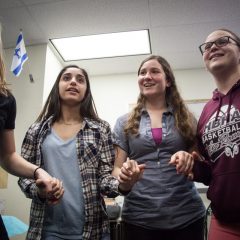
An Israeli and American flag hang in the classroom while juniors and seniors study and celebrate Tu B’Shvat during a Hebrew class at Hyman Brand Hebrew Academy in Overland Park, Kan., on Wednesday (Jan. 15, 2014). RNS photo by Sally Morrow
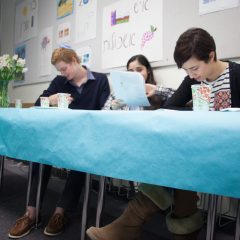
Alex Sher pours white grape juice, used in place of white wine, for her peers while they study and celebrate Tu B’Shvat during a Hebrew class for juniors and seniors at Hyman Brand Hebrew Academy in Overland Park, Kan., on Wednesday (Jan. 15, 2014). RNS photo by Sally Morrow
Left to right, Max Sosland, Shani Soloman and Sophia Porter study and celebrate Tu B’Shvat during a Hebrew class for juniors and seniors at Hyman Brand Hebrew Academy in Overland Park, Kan., on Wednesday (Jan. 15, 2014). RNS photo by Sally Morrow
Left to right, Lindsey Paul, Shani Soloman, Alex Sher and Anna Kaseff dance in a circle after a Seder to study and celebrate Tu B’Shvat during a Hebrew class for juniors and seniors at Hyman Brand Hebrew Academy in Overland Park, Kan., on Wednesday (Jan. 15, 2014). RNS photo by Sally Morrow
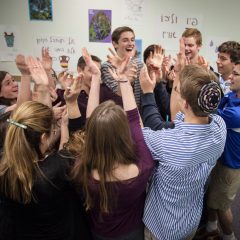
Juniors and seniors dance in a circle after a Seder to study and celebrate Tu B’Shvat during a Hebrew class at Hyman Brand Hebrew Academy in Overland Park, Kan., on Wednesday (Jan. 15, 2014). RNS photo by Sally Morrow
Juniors and seniors dance in a circle after a Seder to study and celebrate Tu B’Shvat during a Hebrew class at Hyman Brand Hebrew Academy in Overland Park, Kan., on Wednesday (Jan. 15, 2014). RNS photo by Sally Morrow
Ricardo Zepeda dances with other students after a Tu B’Shvat Seder during a Hebrew class for juniors and seniors at Hyman Brand Hebrew Academy in Overland Park, Kan., on Wednesday (Jan. 15, 2014). RNS photo by Sally Morrow
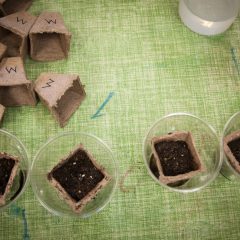
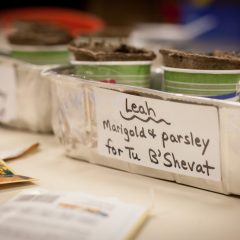
Students’ freshly planted parsley and marigold seeds are lined up on a table during a Tu B’Shvat celebration at Congregation Beth Shalom preschool in Overland Park, Kan., on Thursday (Jan. 16, 2014). RNS photo by Sally Morrow
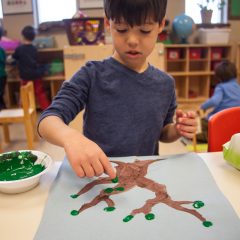
A student finger-paints a tree in summer during a Tu B’Shvat celebration at Congregation Beth Shalom preschool in Overland Park, Kan., on Thursday (Jan. 16, 2014). RNS photo by Sally Morrow
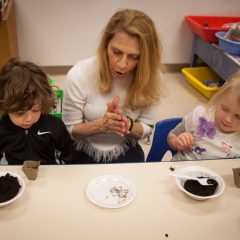
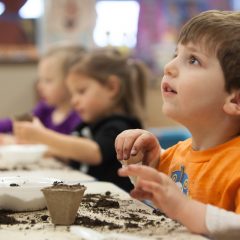
Teacher Susie Blackman explains how to plant seeds to students during a Tu B’Shvat celebration at Congregation Beth Shalom preschool in Overland Park, Kan., on Thursday (Jan. 16, 2014). RNS photo by Sally Morrow
Teacher Susie Blackman passes out marigold seeds to students during a Tu B’Shvat celebration at Congregation Beth Shalom preschool in Overland Park, Kan., on Thursday (Jan. 16, 2014). RNS photo by Sally Morrow
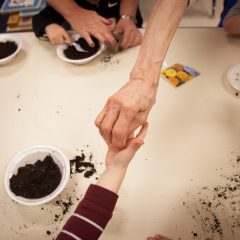
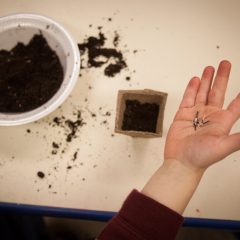
A student holds marigold seeds before planting them during a Tu B’Shvat celebration at Congregation Beth Shalom preschool in Overland Park, Kan., on Thursday (Jan. 16, 2014). RNS photo by Sally Morrow
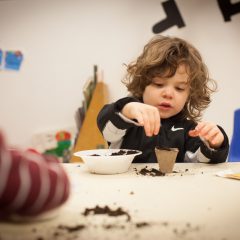
A student plants marigold seeds in dirt during a Tu B’Shvat celebration at Congregation Beth Shalom preschool in Overland Park, Kan., on Thursday (Jan. 16, 2014). RNS photo by Sally Morrow
A student learns how to plant marigold and parsley seeds during a Tu B’Shvat celebration at Congregation Beth Shalom preschool in Overland Park, Kan., on Thursday (Jan. 16, 2014). RNS photo by Sally Morrow
Students’ freshly planted marigold and parsley seeds sit on a table during a Tu B’Shvat celebration at Congregation Beth Shalom preschool in Overland Park, Kan., on Thursday (Jan. 16, 2014). RNS photo by Sally Morrow
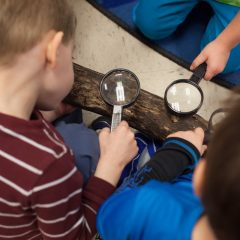
Children study tree bark under microscopes during a Tu B’Shvat celebration at Congregation Beth Shalom preschool in Overland Park, Kan., on Thursday (Jan. 16, 2014). RNS photo by Sally Morrow
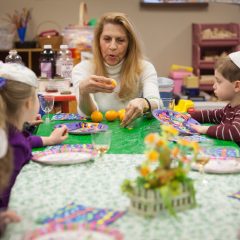
Teacher Susie Blackman explains the meaning of eating fruits like tangerines during a Tu B’Shvat celebration at Congregation Beth Shalom preschool in Overland Park, Kan., on Thursday (Jan. 16, 2014). RNS photo by Sally Morrow
Link copied!
No paywalls here. Thanks to you.
As an independent nonprofit, RNS believes everyone should have access to coverage of religion that is fair, thoughtful and inclusive. That's why you will never hit a paywall on our site; you can read all the stories and columns you want, free of charge (and we hope you read a lot of them!)
But, of course, producing this journalism carries a high cost, to support the reporters, editors, columnists, and the behind-the-scenes staff that keep this site up and running. That's why we ask that if you can, you consider becoming one of our donors. Any amount helps, and because we're a nonprofit, all of it goes to support our mission: To produce thoughtful, factual coverage of religion that helps you better understand the world. Thank you for reading and supporting RNS.