


Why I'm losing sleep over Gaza


(RNS) — For the past week, ever since I returned from spending two weeks in Israel, I have been unable to sleep through the night. It might be the lingering effects of jet lag. Or, it could be a deeper, spiritual sleeplessness over the unfolding humanitarian crisis in Gaza.
Hamas bears genuine responsibility for this crisis. In the words of Ahmed Fouad Alkhatib, a senior fellow at the Atlantic Council and a native of Gaza who now lives in Washington, D.C.:
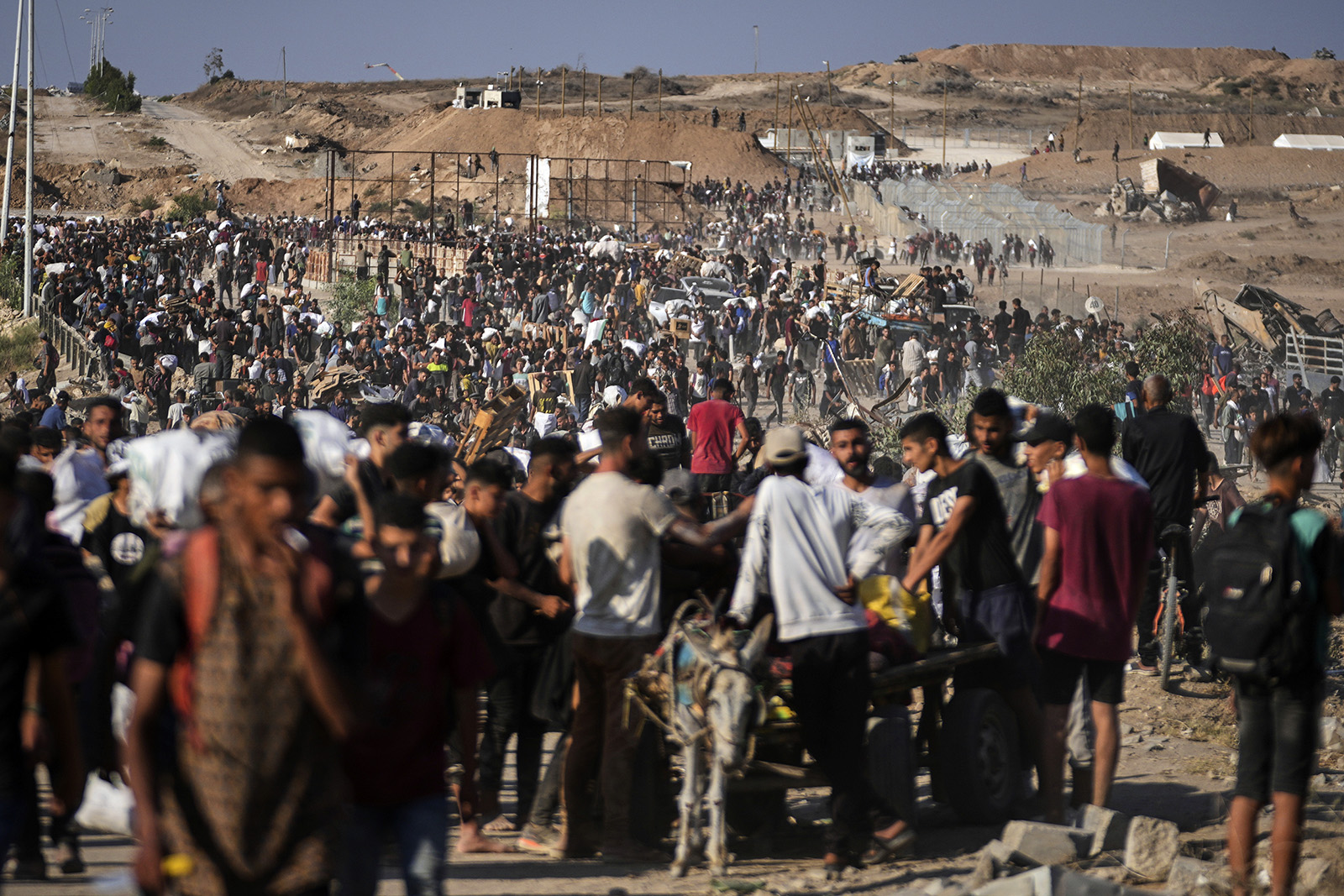
Despite the surge of hundreds of trucks into Gaza over the past four days, very few supplies have made it into warehouses to be distributed to the population. Aid shipments are being seized by a combination of desperate civilians, lawless gangs, clan-affiliated thugs and merchants of death. Chaos and apocalyptic scenery are the norm, not the exception. There is no denying the reality of the widespread malnutrition and hunger in the Gaza Strip.
In recent days, I’ve spoken with dozens of Gazans who are furious about what is unfolding around them. They are angry, one told me, at the ‘hordes of selfish people who are attacking aid convoys to steal and collect aid in a horrific manner without caring for Gazans who chose not to participate in these humiliating and demeaning displays of inhumanity, no matter the level of hunger.’ But their anger is directed primarily at Hamas, which they hold responsible for putting the people of Gaza in this position, and for its continued refusal to end the war that it started.
The late thinker George Steiner called Jews “moral insomniacs,” and thus there is an additional source of my sleeplessness: The Israeli government also bears responsibility here. For context, check out this podcast by my friends and teachers Rabbi Donniel Hartman and Yossi Klein Halevi.
What is Israel’s responsibility? Not malevolence — though it exists in the form of the racist, expansionist ideology of Israeli Finance Minister Bezalel Smotrich and National Security Minister Itamar Ben-Gvir. But, there has been an inability to effectively deliver the food to those who are in need.
Some images of this disaster have been misleading, like The New York Times’ photo of Mohammed Zakaria al-Mutawaq, an ostensibly malnourished child in Gaza who the Times didn’t initially mention is suffering from cerebral palsy — a pre-existing condition unrelated to the war. The newspaper apologized, but meekly.
But one misleading image does not negate the reality that there are many hungry people in Gaza. Full stop.
Have the numbers of those starving been exaggerated? Most likely. But how many victims would be necessary before the Jewish moral imperative to intervene kicks in?
That moral imperative means a Jewish state must do everything within its power to heal this humanitarian crisis. While this is already happening — the Israeli military is dropping aid from airplanes and enabling aid convoys — there must be more, and it must be as aggressive as possible and its delivery as effective as possible.
Yom Kippur is only 10 weeks away. On that morning, Jews will read Isaiah 58:
“No, this is the fast I desire…
It is to share your bread with the hungry,
And to take the wretched poor into your home;
When you see the naked, clothe them,
And not to ignore your own kin.”
These are the advertisements we have created for ourselves and our children — that we are rachamim b’nei rachamim, a compassionate people, descended from compassionate people.
This weekend is Tisha B’Av, the commemoration of the destruction of the temples in Jerusalem. It is traditional to sit on the floor, in discomfort, and chant the book of Lamentations.
These words grab me: “For these things, I weep.”
I have much to weep for. I weep about those who willfully slander the Jewish people and the Jewish state. I weep for the hypocrisy and the mendacity of those who instinctively blame Israel first, and who take glee in doing so. My weeping does not stay weeping; it converts itself to howling.
I give priority to my own extended family — the undeniably abused, tortured, starved hostages in Gaza, a traumatized Israeli public still reeling from the effects of the war with Iran, Israeli soldiers who have sacrificed and the Israeli people who have demonstrated resilience.
To quote Isaiah, I will not ignore my own kin. As Halevi said to me, personally: There are limits to what you can do even when fighting an existential war.
And, there are limits to Jewish guilt and self-recrimination when fighting an existential war. The truth is that we don’t have the whole truth. We don’t have the whole story — or we have multiple stories. This is all still happening in the fog of war.
(This op-ed by veteran Israeli journalist Matti Friedman is perhaps the best thing to read on this complex issue.)
But there is no similar fog of values, and that is what is at stake for Israel and the Jewish people as this crisis continues — I weep for those values, as well.
Every night before going to sleep — before my battle with insomnia — I say the Sh’ma, or the statement of belief in one God, and then I offer my prayers to God. I pray the hostages will come home, that Hamas will surrender, that this war will end and that the broken heart and soul of my people will be healed.
Then, I will get a good night’s sleep. But, not yet, because I am part of the people of Israel — the people who struggle with God, with morality and within themselves. It comes with the territory.