


US, allies push for UN rights body debate on Xinjiang abuses
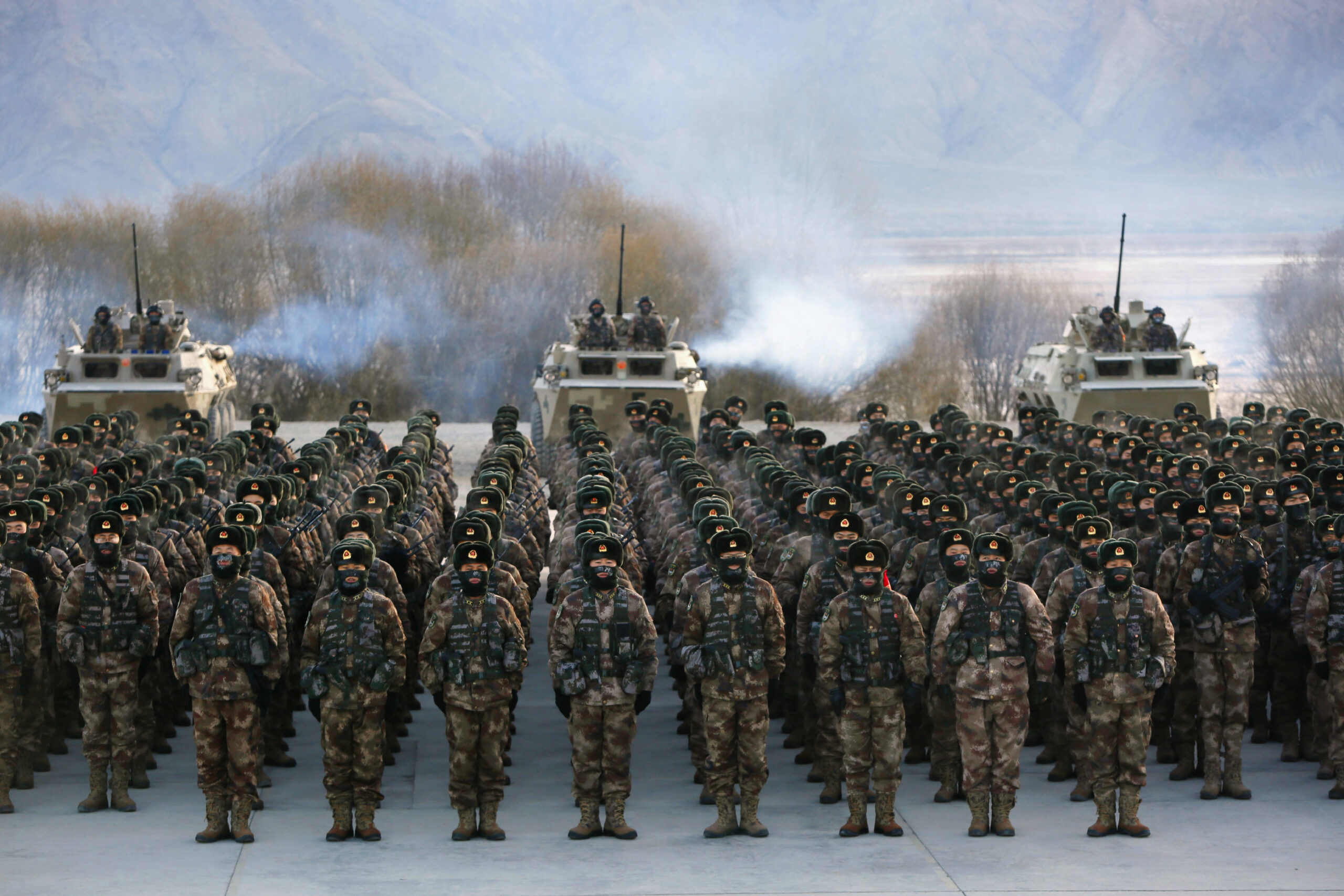


GENEVA (AP) — The United States and several Western allies presented a proposal Monday for the U.N.’s main human rights body to hold a special debate over reported rights abuses against Uyghurs and other Muslim minorities in China’s western Xinjiang region.
The U.S. and Britain, Canada, Denmark, Finland, Iceland, Norway and Sweden were behind a draft proposal at the Human Rights Council that would call for a debate on Xinjiang at the council’s next session in early 2023, diplomats said.
It amounts to the latest geopolitical salvo between the West and Beijing amid recent tensions over issues like the future of Taiwan. If approved, the draft “decision” — a sort of simplified resolution — would mark the first time that human rights concerns in China have been formally put on the council’s agenda.
Diplomats in Geneva, where the 47-nation council is based, have been on the lookout for whether Western countries can muster enough political capital to push through any action on Xinjiang before the council’s current session ends on Oct. 7.
The draft would only convene a debate in the council — which debates issues all the time — and stops short of calling for stronger tools to monitor rights abuses, such as convening independent experts to scrutinize countries’ activities.
“This modest but essential step will bring much-needed scrutiny to Chinese authorities’ sweeping rights violations targeting Uyghurs and other Muslim minorities in Xinjiang, which the high commissioner recently found may rise to the level of crimes against humanity,” said John Fisher, the deputy director for global advocacy at Human Rights Watch.
While less intrusive than it might have been, the proposal is likely to rankle China, which has pushed back on attempts to hold it to account over the Xinjiang rights issue. It would also set a formal date for the council to consider Xinjiang.
Some Western countries have sought to build pressure — or at least maintain it — on China after the office of former U.N. human rights chief Michelle Bachelet issued a long-delayed report last month that suggested “crimes against humanity” and other wrongs took place against Uyghurs and other Muslim minorities as part of China’s campaign against violent extremism in Xinjiang in recent years.
The draft proposal sets the stage for back-channel haggling and a diplomatic showdown. China has ripped into Bachelet’s report, vowed not to work with the U.N. rights office, and staged an intense public relations push to defend its policies in Xinjiang.
“We firmly oppose any attempt to use Xinjiang-related issues for political manipulation, including this draft decision,” said Liu Yuyin, a spokesman for China’s diplomatic mission in Geneva.
The council currently counts both China and the United States as members. The draft comes two days before the expiry of the deadline for such documents to be presented, so that diplomats can discuss, fine-tune and possibly vote on them before the session’s end.
Some Western diplomats have expressed concern that putting forward a tough resolution could alienate or pressure some countries who have strong political and economic ties to China. They have also worried that presenting a resolution could backfire — by giving Beijing a chance to show just how much support it can muster internationally.
Human rights groups have accused China of sweeping 1 million or more people from minority groups into detention camps where many have said they were tortured, sexually assaulted and forced to abandon their language and religion.
China has defended the camps — which it says have been largely closed — as vocational and training centers aimed at giving economic opportunities and skills for marginal populations.