




Years ago, I sat through lectures in which a Bible professor insisted that spousal abuse was not grounds for divorce, and that submission required enduring some forms of abuse.
A popular pastor-theologian once made a similar suggestion in a Q&A session. He said that if the household abuse is “not requiring her to sin but simply hurting her,” then he thinks she can endure “verbal abuse for a season” and “perhaps being smacked one night” before going to the church for help.
(He later clarified that women could seek help from the authorities if the situation warrants it.)
Image courtesy JustinHolcomb.com
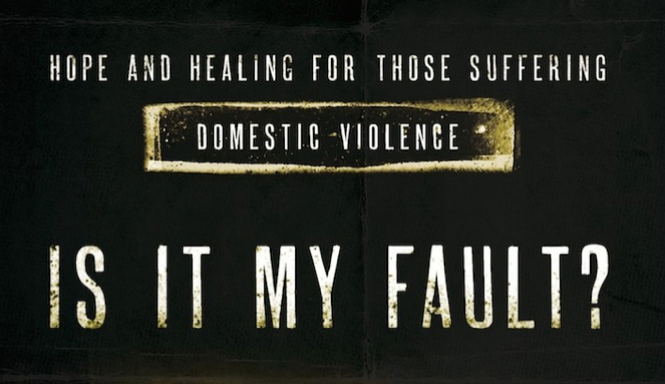
Until l I read Is It My Fault? Hope and Healing for Those Suffering Domestic Violence (Moody Publishers), by Justin S. and Lindsey A. Holcomb, I had no idea that nearly three out of four Americans personally know someone who has faced domestic violence (90 percent of the victims are women).
As the Holcombs show, the effects of domestic abuse are wide-ranging, unpredictable, severe, and long-lasting, affecting both the women and their children.
Boys witnessing domestic violence, for example, are twice as likely to become abusers themselves.
Justin (a pastor and adjunct professor at Reformed Theological Seminary) and his wife, Lindsey (a case manager at a domestic violence shelter), answer the title’s question with an unequivocal “no.” They also acknowledge that while “many victims believe clergy have the most potential to help them,” in fact “[clergy] are too often the least helpful and sometimes even harmful” — see above.
Reading this book not long ago, I was struck by how the dynamics of abuse make it very plausible that an abused person may not even realize that she is in an abusive relationship — and I was surprised and dismayed to notice that certain aspects of abusive intimate relationships mirror dysfunctional and even abusive institutional relationships — such as that between employers and employees.
(You can check out my full review of Is it My Fault? at Christianity Today.)