


Asteroid named after pope behind Gregorian calendar reform
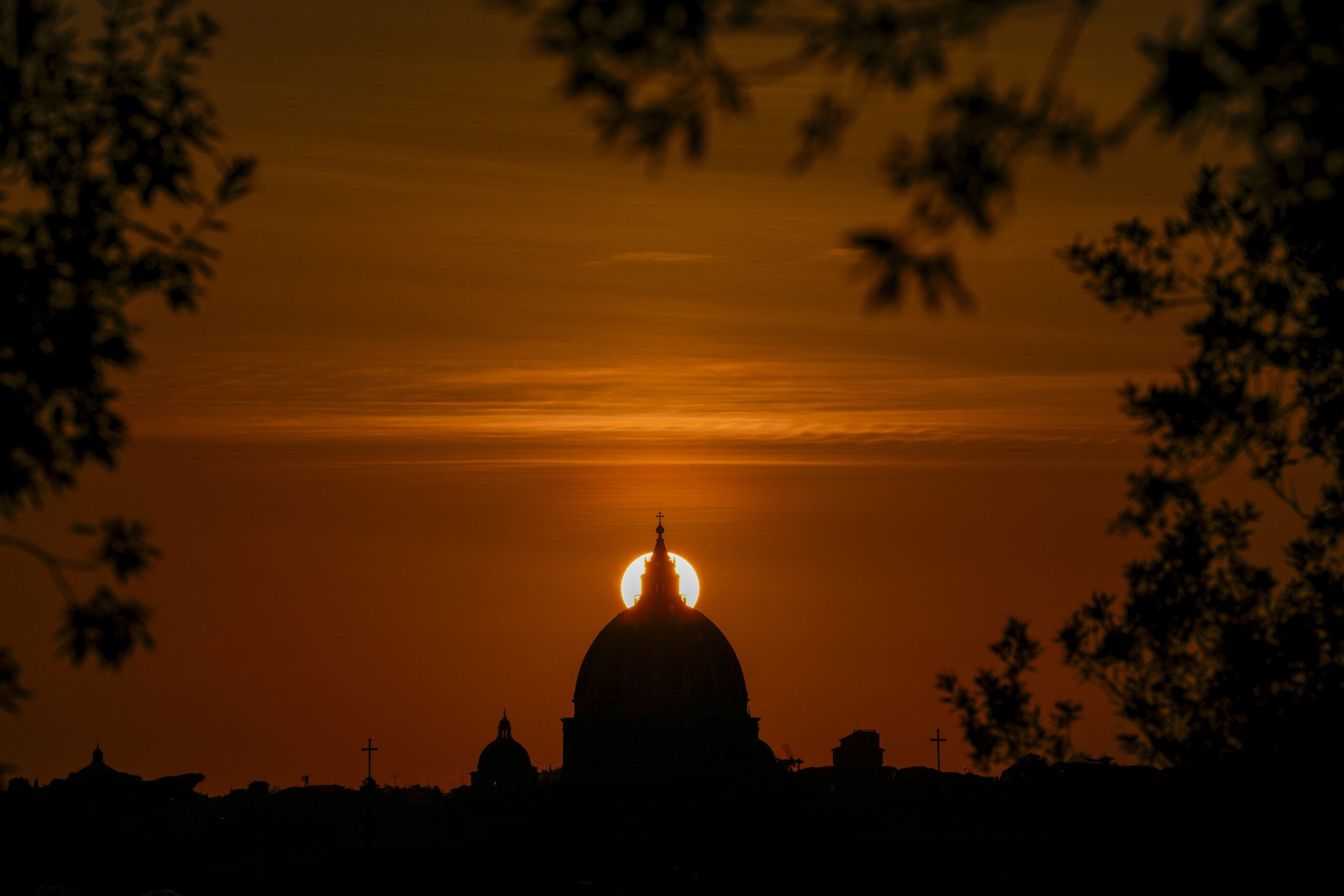


ROME (AP) — Pope Gregory XIII, the 16th century pontiff responsible for what is today known as the Gregorian calendar, now has another, celestial claim to fame.
A working group of the International Astronomical Union has named an asteroid after him, the Vatican Observatory said Tuesday.
The “560974 Ugoboncompagni” — Gregory’s birth name was Ugo Boncompagni — was announced along with 72 other named asteroids in the Feb. 27 update of the union’s Working Group for Small Bodies Nomenclature.
Also included in the new group are three Jesuits affiliated with the Vatican Observatory, bringing to more than 30 the number of Jesuit-named asteroids, the Observatory said in a statement.
Gregory, who lived from 1502-1585, along with an Italian astronomer and a Jesuit mathematician corrected the Julian calendar and introduced a new method of calculating leap years that resulted in what is now known as the Gregorian calendar.
The Vatican Observatory traces its 1582 origins to Gregory’s pontificate and the Gregorian calendar reform. Located at the papal summer residence in Castel Gandolfo in the hills south of Rome, the Observatory today houses a dozen priests and brothers who study the universe. It is headed by Jesuit Brother Guy Consolmagno.
According to a statement from the Observatory, the process to name an asteroid — a relatively small space body in orbit round the sun — involves a provisional designation based on its date of discovery, followed by a permanent number.
“At this point its discoverer is invited to suggest a name for it,” the Observatory said, adding that pet names and commercial names are prohibited, and that 100 years must pass before naming an asteroid after an individual or certain events.
The nomenclature working group, made up of 15 astronomers, then judges the proposed names.