

How a mother’s love and Sikh wisdom are tackling a rare childhood disease
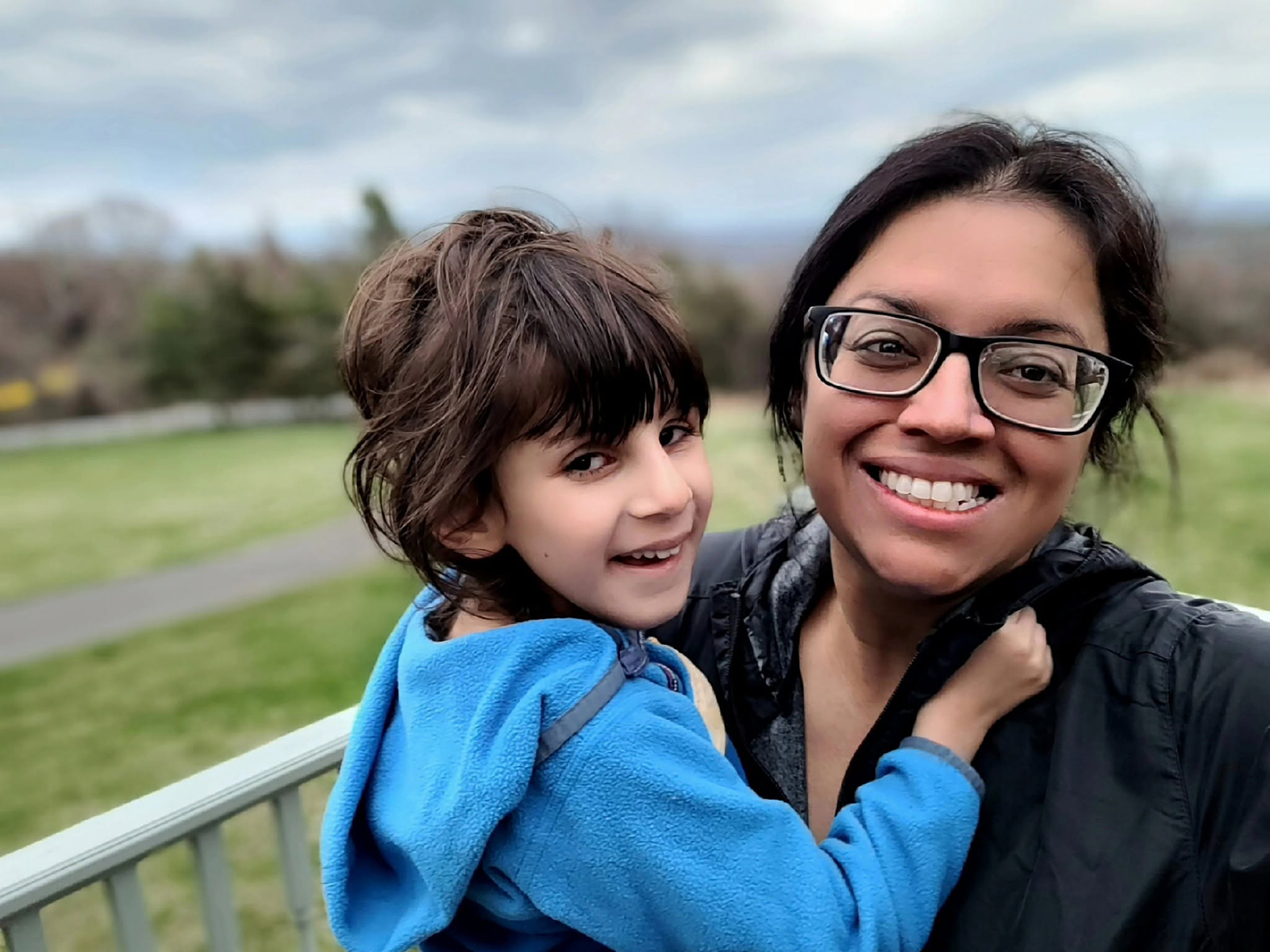


(RNS) — In 2021, I wrote a column about a Sikh mother fighting a rare childhood disease. The mother is Jo Kaur, an attorney I had worked with at the Sikh Coalition and became friends with over the years. Her son Riaan had been diagnosed with Cockayne syndrome, a genetic disease that is both ultrarare and fatal, causing growth failure, severe neurological degeneration and premature aging. I wrote then about my admiration for Jo, who stepped away from her career to seek an unlikely treatment to try to save her son’s life.
Today, nearly five years later, I’m writing again with incredible news. On April 21, Jo’s years of effort came to fruition. Riaan, now 6 years old, is the first child in history to be treated with the gene therapy that their organization (Riaan Research Initiative) fundraised for and helped develop. This included raising millions of dollars, assembling scientists and clinicians from UMass Chan Medical School and Weill Cornell Medical Center, supporting preclinical research and a toxicology study, manufacturing the gene therapy and navigating regulatory processes.
Two months ago, neurosurgeons delivered the experimental AAV9 gene therapy directly into Riaan’s brain while he was under anesthesia. It’s an unbelievable outcome that has caused me to reflect on perseverance, sacrifice and the power of a mother’s love.
I asked Jo then about the role that her Sikh faith had played in navigating her son’s heartbreaking diagnosis. I asked her again now, wondering if her faith had been shaken, or if it had been something she leaned on along the way.
Jo’s first response was to talk about finding the balance between accepting God’s will and trying to find a remedy for Riaan.
“For Sikhs, all of life falls within hukam (divine will or command),” she said. “However, that doesn’t mean we are passive. In my experience, it is through seva (selfless service to humanity) that hukam reveals itself.”
When I asked her what this balance might look like in practice, Jo shared a parable with me:
There’s a story about a man trapped in a flood. As the waters rise, he prays to God to save him. A boat comes by, but he waves it away: “No, God will save me.” Later, a helicopter appears and lowers a ladder. Again he refuses: “No, God will save me.” The floodwaters continue to rise, and he drowns. After he dies, he asks God why his prayers went unanswered. God replies, “I sent you a boat. I sent you a helicopter. What more were you waiting for?”
For Jo, this short story captures a profound truth: Accepting God’s will does not mean we are passive bystanders to our own lives. According to Sikh teachings, we can also have agency to shape our own lives within hukam.
I love that Jo frames her own response not just as agency but as seva. This, too, is a central Sikh teaching, and her story sounds to me like a beautiful application of this concept.
“When Riaan was diagnosed with Cockayne syndrome and we were told he was going to die at a young age, the waters of grief could have easily consumed us,” Jo shared. “But I never felt we had all the pieces of the puzzle. We were grasping to decipher the meaning of the diagnosis for our family, for our shared destiny. We yearned to transform our tragedy into seva, to create the tools that could potentially help us all.”
According to Sikh wisdom, seva is about reducing other people’s suffering, and it’s about reducing our own suffering too. By undergoing the practice of serving others, we are growing as well. I heard that in Jo’s reflection, of how through this tireless work to potentially extend her son’s life, she herself found more humility, peace and a new perspective on what it means to accept God’s will.
“Perhaps that is how I have come to understand hukam,” Jo continued. “It is not waiting passively for the boat or the helicopter while insisting that faith alone will save us. It is recognizing those opportunities, answering the call to seva, and doing everything within our power while accepting that the final outcome is not ours to command. The journey matters as much as the end result, and through this journey, we have tried to do right by Riaan and practice the unconditional, pure, divinely inspired love that he so easily expresses for all.”
While Riaan remains clinically stable two months after treatment, it is too early to know the ultimate impact of the therapy. Nonetheless, Jo’s story demonstrates the power of seva. It was a way to help her child, to benefit other children who suffer from the same rare disease and also to help transform herself. May Jo’s story inspire all of us to live into seva, for ourselves and for all of humanity.